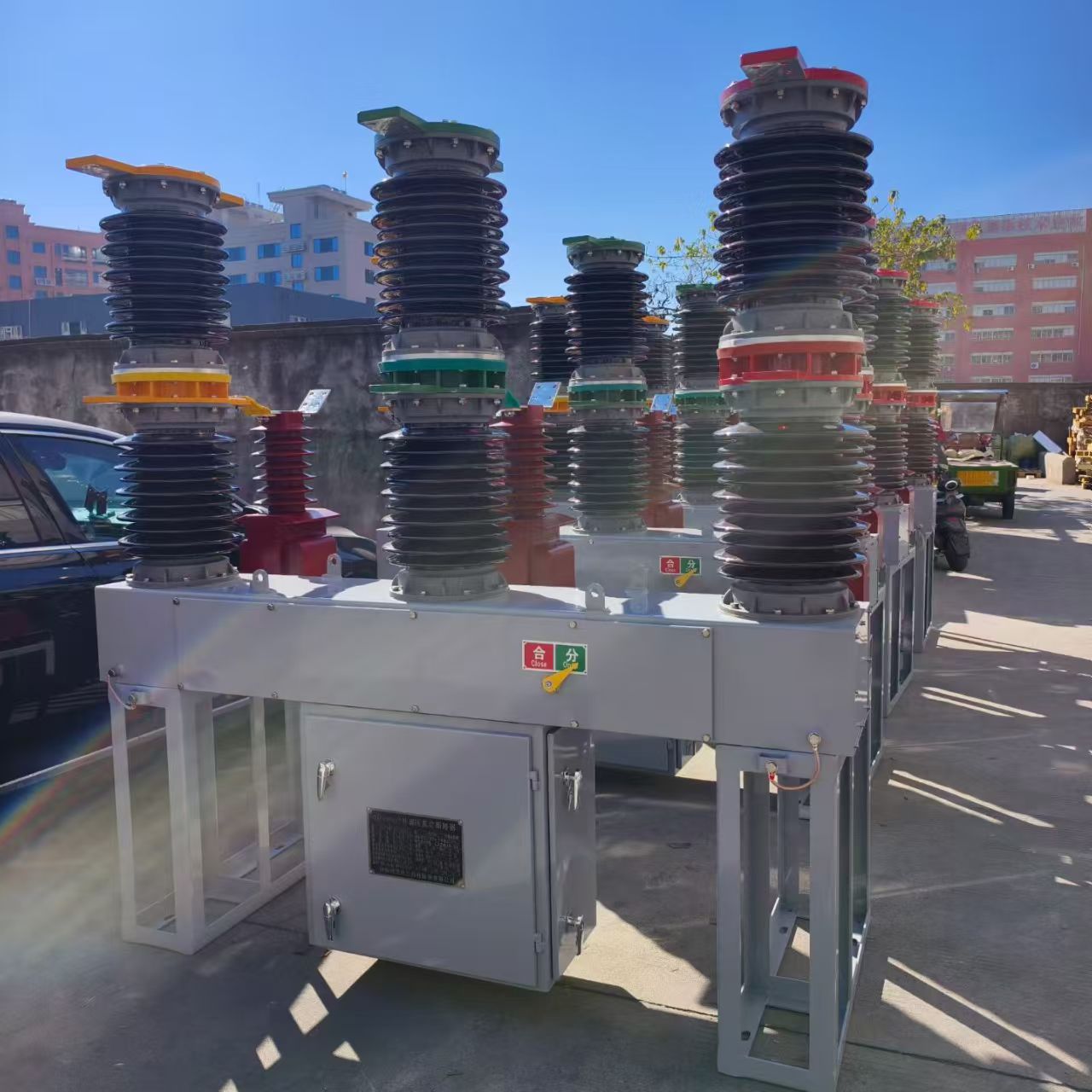
Choosing the right High-Voltage Switchgear Systems is one of the most critical decisions in substation design and operation. These systems control, protect, and isolate electrical circuits carrying thousands of volts, making their selection essential to grid reliability, safety, and long-term operational efficiency. The wrong choice can compromise system performance, increase maintenance costs, and create safety hazards for personnel and infrastructure.
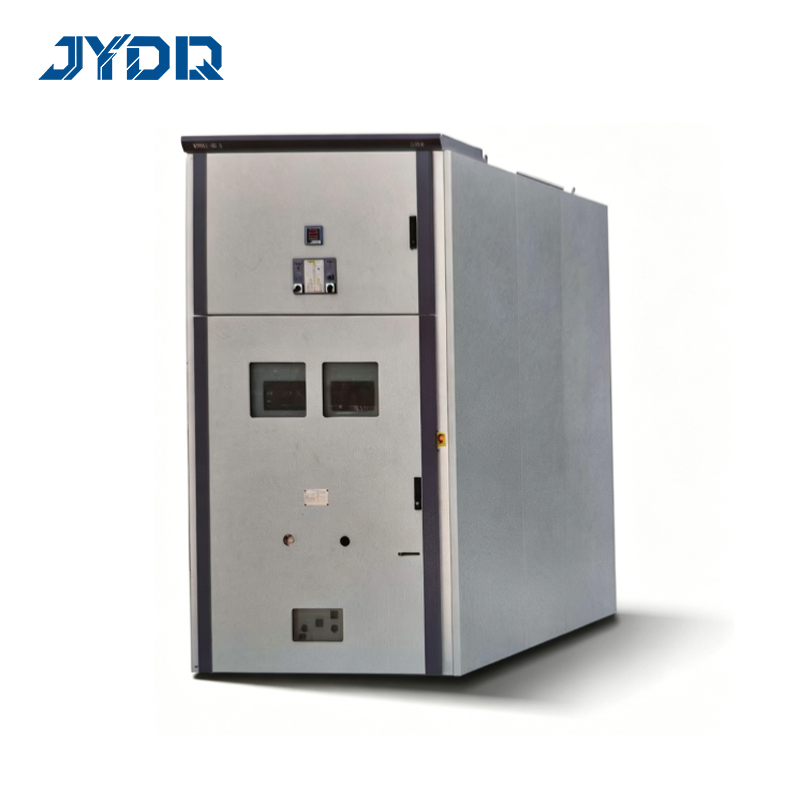
Selecting HV switchgear involves evaluating multiple technical and operational factors specific to your substation environment. Voltage class, current capacity, environmental conditions, maintenance requirements, and integration with existing infrastructure all influence the decision. This guide walks through the key selection criteria that facility managers, engineers, and procurement teams must consider to identify the optimal HV switchgear solution for reliable substation performance.
Understanding Voltage and Current Requirements
The foundation of any substation selection process begins with determining the exact voltage class and current-carrying capacity your system requires. High-voltage classifications typically range from 35 kV to 765 kV, with each level serving different grid functions and geographic coverage areas. Your substation's role in the transmission or distribution network directly determines which voltage tier applies, and selecting the wrong class creates incompatibility with connected circuits and protection schemes.
Assessing Voltage Class Compatibility
Voltage class selection for HV switchgear must align precisely with connected transmission lines, transformers, and downstream equipment. A substation operating at 138 kV requires switchgear rated for that exact voltage or higher, never lower. Many operators overlook the importance of insulation coordination, where switchgear, transformers, and protection systems must all withstand the same impulse voltages during fault conditions. Selecting high-voltage switchgear without verifying this compatibility risks cascade failures across the substation network.
Current Capacity and Continuous Rating
Beyond voltage, current-carrying capacity determines whether your selection can handle peak loads and support system growth. Switchgear continuous current rating must exceed the maximum anticipated load, with additional margin for future demand increases. Many substations operate switchgear below rated capacity initially, then add generation or load served by the same equipment years later. Choosing HV switchgear with adequate thermal margin prevents costly upgrades and ensures the substation remains reliable as the power system evolves.
Environmental and Operating Conditions
Physical location, climate, and local atmospheric conditions significantly influence which switchgear type and configuration best serves your substation. Coastal areas expose equipment to salt spray and humidity, mountain sites face temperature extremes, and urban locations may demand compact designs. Understanding how environmental factors affect insulation integrity, cooling efficiency, and component lifespan helps you select high-voltage switchgear optimized for your specific geographic context.
Insulation Media and Environmental Impact
Modern HV switchgear employs three primary insulation media: mineral oil, sulfur hexafluoride gas, and vacuum. Oil-insulated switchgear offers proven reliability and lower cost but requires larger footprints and presents environmental disposal concerns. Gas-insulated switchgear reduces physical space by 80 percent, operates effectively in harsh climates, and demands minimal maintenance. Vacuum switchgear provides environmental benefits and compact design but carries higher acquisition cost. Your substation location, available real estate, and environmental regulations should guide this decision when selecting high-voltage switchgear.
Climate and Operational Extremes
Temperature ranges, humidity levels, and altitude all stress electrical insulation differently. Switchgear designed for temperate climates may fail prematurely in desert heat or arctic cold. High-altitude substations experience reduced air density, which weakens air-gap insulation. Coastal or industrial areas with corrosive atmospheres degrade metallic components faster. When making your selection, verify that the switchgear specifications include derating curves for your local climate zone to prevent premature equipment aging and unexpected failures.
Maintenance Requirements and Reliability Strategy
A substation's long-term reliability depends heavily on how well its HV switchgear selection aligns with your maintenance team's capabilities and resources. Some switchgear types demand routine oil testing, drying cycles, and invasive inspections, while others operate sealed and require minimal intervention. Budget constraints, staffing availability, and regional expertise should influence your selection of high-voltage switchgear to ensure sustainability over its 30 to 50-year operational life.
Sealed Versus Open-Design Switchgear
Sealed, gas-insulated switchgear requires far fewer maintenance activities than oil-filled systems. Annual or biennial oil sampling and condition monitoring consume significant technician hours and lab resources. Gas-insulated designs eliminate these burdens, making them attractive for remote substations with limited field service access. However, sealed switchgear demands specialized training and spare parts inventory, which may not exist in developing regions. Your selection must balance maintenance simplicity against the training and support infrastructure available to your operations team.
Diagnostic Capabilities and Monitoring Systems
Modern substation practices increasingly integrate digital monitoring into HV switchgear, enabling predictive maintenance and remote diagnostics. Switchgear equipped with partial discharge sensors, thermal imaging access, and online condition monitoring can signal degradation weeks or months before failure. When selecting high-voltage switchgear, prioritize equipment compatible with your grid's SCADA system and cybersecurity architecture. Early warning systems reduce unplanned outages, extend equipment lifespan, and lower total cost of ownership significantly.
Technical Specification and Integration Factors
Beyond environmental and operational considerations, your selection must address technical compatibility with protection relays, control systems, and adjacent substation equipment. Breaking capacity, switching speed, and synchronization with communication networks all influence whether selected switchgear integrates seamlessly into your existing infrastructure. A thorough design review prevents costly retrofits and operational conflicts after installation.
Breaking Capacity and Fault Current Handling
Switchgear must safely interrupt fault currents that can reach hundreds of thousands of amperes. Breaking capacity rating indicates the maximum fault current the switchgear can safely clear before damage occurs. Your selection must account for anticipated fault levels at the substation, which depend on source impedance, transformer ratings, and network configuration. Undersizing breaking capacity creates dangerous situations where equipment fails to isolate faults, propagating blackouts across wider areas.
Control System Integration and Cybersecurity
Modern substations operate remotely through SCADA systems and emerging grid management platforms. When selecting high-voltage switchgear, verify that its control interface communicates reliably with existing automation systems. Cybersecurity becomes increasingly critical as substations connect to enterprise networks; ensure all switchgear firmware, communication protocols, and access controls meet your organization's security standards. Poor integration or outdated protocols can compromise both system reliability and critical infrastructure protection.
FAQ
What voltage class should I select for a typical transmission substation?
Transmission substations typically operate at 138 kV, 230 kV, 345 kV, or 500 kV depending on geographic region and transmission network design. Your utility or grid operator specifies the exact voltage for each substation location. When selecting HV switchgear, match it precisely to this mandated voltage class; no deviations are acceptable. Consulting your regional transmission authority ensures you select switchgear compatible with planned system expansion and interconnection standards.
How do I choose between oil-insulated and gas-insulated switchgear?
Oil-insulated switchgear costs less initially and works well in regions with established maintenance expertise and spare parts networks. Gas-insulated switchgear costs more upfront but occupies 80 percent less space, requires minimal maintenance, and performs reliably in harsh climates. Your selection depends on available real estate, local maintenance capabilities, environmental regulations, and total cost of ownership over 30 to 50 years. Many modern substations favor gas-insulated designs despite higher acquisition cost due to reduced operational burden and superior reliability in extreme environments.
What maintenance costs should I budget for high-voltage switchgear?
Oil-insulated HV switchgear requires annual oil analysis, moisture removal cycles, and visual inspections, costing 1 to 3 percent of equipment value annually. Gas-insulated switchgear demands minimal routine maintenance, reducing annual costs to 0.5 percent or less. Spare parts, emergency repairs, and specialized technician training vary significantly by region and equipment type. During your selection process, request detailed maintenance cost projections from equipment suppliers and compare them against your long-term operational budget to identify the most economical choice.

 EN