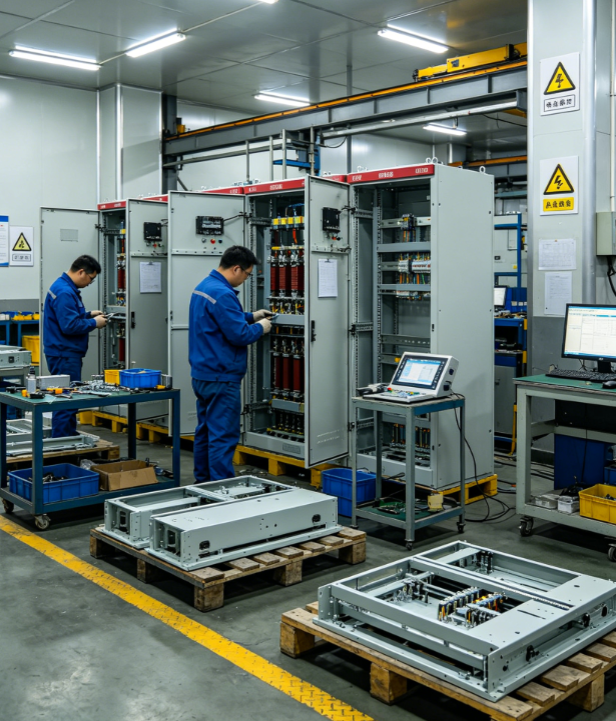
On-site assembly of electrical substations has traditionally been one of the most time-consuming and labor-intensive phases of utility infrastructure projects. The traditional approach requires extensive field work, coordination among multiple trades, and careful synchronization of countless components. A prefabricated box-type transformer fundamentally changes this dynamic by shifting much of the assembly burden away from job sites and into controlled factory environments where quality, precision, and efficiency naturally improve.
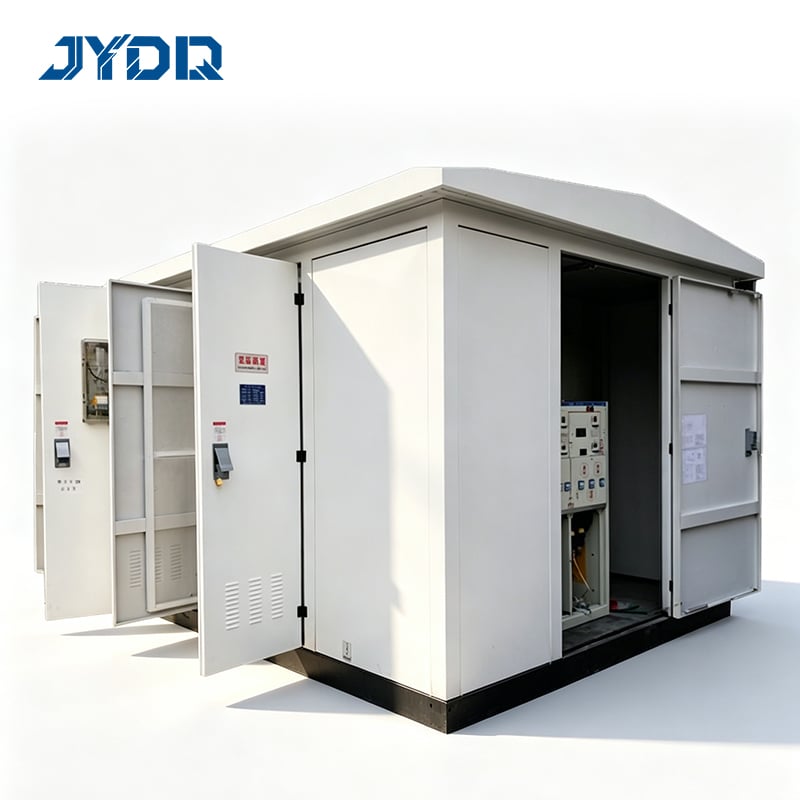
The shift toward prefabrication represents a strategic evolution in how utilities and contractors approach substation deployment. Instead of managing hundreds of individual components, connections, and tests at each job location, teams now receive fully or substantially assembled units that require minimal additional work before energization. This transformation delivers measurable reductions in project timeline, labor costs, safety risks, and installation errors. Understanding how prefabricated substations accomplish these improvements helps project managers, utility planners, and electrical engineers make informed decisions about infrastructure modernization and expansion.
How Modular Design Streamlines Assembly and Installation
Factory Assembly and Quality Control Benefits
Prefabricated substations leverage modular design principles to consolidate complex assembly work into factory settings where environmental controls, specialized tooling, and experienced technicians ensure consistent quality. Each modular component—transformer tank, control systems, protective devices, and interconnections—arrives at the factory as a pre-engineered assembly stage. Workers follow standardized procedures, conduct repeatable tests, and apply rigid quality gates before any unit leaves the factory floor. This environment eliminates weather delays, reduces rework cycles, and creates a permanent record of factory test results that arrive with the unit to the site.
Site installation teams receive units that have already passed comprehensive factory testing, including insulation resistance checks, oil quality verification, and functional performance validation. Technicians at remote job locations no longer need advanced laboratory equipment or specialized knowledge to perform these complex initial diagnostics. This shift of responsibility upstream to the factory reduces bottlenecks, accelerates site readiness, and allows on-site crews to focus on positioning, grounding, and final connections rather than struggling with assembly sequences that require multiple specialists.
Reduced Field Labor and Specialized Skills Requirements
Traditional on-site assembly demands access to multiple specialized trades: transformer technicians, electricians, control system specialists, and quality inspectors all working in coordination, often in challenging environmental conditions. Modular design eliminates the need for many of these specialists to converge at the job site simultaneously. Instead, site installation requires general installation labor, basic electrical knowledge, and adherence to connection protocols documented in simple assembly guides. Project managers benefit from predictable crew compositions, reduced skill premium costs, and more straightforward labor scheduling.
The reduction in specialized labor requirements cascades into broader project advantages. Smaller teams can complete site installation tasks in parallel with other construction activities, reducing the overall critical path impact of substation deployment. Site supervisors maintain better control over work schedules, quality checkpoints, and resource allocation when the assembly complexity has been moved upstream. Labor efficiency gains accumulate across multiple projects as site crews develop familiarity with a consistent, simplified assembly protocol rather than learning unique configurations for each installation.
Accelerating Project Efficiency Through Prefabrication
Timeline Compression and Predictable Delivery Schedules
Site installation timelines compress dramatically when prefabrication reduces on-site assembly tasks from weeks to days. Traditional substations might require four to eight weeks of field assembly, testing, and commissioning activities that depend on sequential workflows and favorable weather. Prefabricated units typically require only two to five days of positioning, electrical connections, grounding verification, and final checkout. This compression translates directly into earlier energization dates, faster project completion, and accelerated return on infrastructure investment.
Project managers gain scheduling predictability because modular design enables parallel project activities rather than strict sequential dependencies. While site crews prepare the foundation and utility connections, manufacturing proceeds independently on a known timeline. Delivery schedules become more reliable because factory production follows systematic workflows rather than responding to weather, material delays, or field team availability. This predictability allows utility planners to coordinate substation deployment with broader grid expansion initiatives, distributed generation integration, or equipment replacement cycles with confidence in timelines.
Risk Mitigation and Quality Assurance
Prefabrication concentrates quality risks in factory environments where manufacturers maintain direct control over every variable. Modular design enables rigorous factory testing protocols that would be difficult or impossible to replicate on remote job sites. Environmental chambers simulate temperature extremes, pressure tests verify structural integrity, and functional tests confirm all protective and control systems respond correctly to simulated fault conditions. These comprehensive factory validations create documented quality baselines that travel with each unit, reducing on-site discovery of defects that could trigger expensive rework or project delays.
Worker safety improves when modular design shifts hazardous assembly tasks from job sites to controlled factory environments. Factory teams work in weatherproof facilities with specialized equipment, ergonomic work stations, and established safety protocols. Site crews then face simplified installation tasks with lower incident potential than traditional on-site assembly of complex electrical equipment. Insurance premiums may reflect reduced risk profiles when utilities deploy prefabricated units rather than managing the higher-hazard environment of field assembly operations.
Integration Strategies for Maximum On-Site Installation Impact
Standardization and Compatibility Frameworks
Effective deployment of prefabricated substations requires standardization of connection interfaces, footprints, and utility attachment protocols. Modular design achieves maximum site installation efficiency when utilities specify standard cable entry configurations, control signal connectors, grounding provisions, and operational messaging protocols across their substation portfolios. This standardization enables manufacturers to optimize modular components for wide adoption rather than developing unique configurations for each utility, reducing manufacturing costs and accelerating delivery timelines.
Compatibility frameworks also facilitate supply chain efficiency by enabling manufacturers to stock popular modular configurations, reducing lead times and improving market responsiveness to urgent capacity needs. Site installation teams become more efficient when they work with familiar connection standards repeatedly rather than learning unique procedures for each project. Technical documentation, training, and spare parts strategies all benefit from standardization that concentrates diversity management at the specification stage rather than at individual job sites.
Commissioning Protocols and Operational Readiness
Streamlined site installation protocols require equally streamlined commissioning procedures that verify modular assemblies integrate correctly with existing utility infrastructure. Prefabrication reduces commissioning duration from weeks to days because much of the internal testing has already occurred at the factory. Site commissioning teams focus on verifying grid connections, testing protective relay functions, confirming voltage transformations, and validating communication links rather than troubleshooting internal component failures.
Operational readiness documentation becomes more straightforward when units arrive pre-assembled with complete factory test records. Utility operators receive units with validated performance baselines, enabling faster transition to full operational responsibility and reducing the extended observation period traditionally required after initial energization. This acceleration allows utilities to achieve revenue generation from upgraded infrastructure sooner and reduces the carrying costs of capital deployed in partially operational projects.
FAQ
What specific on-site assembly tasks does a prefabricated box-type transformer eliminate?
A prefabricated box-type transformer eliminates transformer tank assembly, oil filtration and circulation system installation, control cabinet wiring, protective relay configuration, and internal connection verification. Site installation teams focus only on foundation preparation, unit positioning, external electrical connections, and grounding rather than managing these complex factory-appropriate tasks. This elimination of field assembly reduces site crew requirements and compresses installation schedules significantly.
How does modular design improve project efficiency compared to traditional on-site assembly?
Modular design improves project efficiency by enabling parallel factory production while site preparation occurs independently, compressing total project duration. Site installation becomes predictable and repeatable, reducing labor skill requirements and enabling better workforce utilization across multiple simultaneous projects. Quality assurance occurs in controlled factory environments rather than relying on field verification, reducing expensive rework cycles and schedule disruptions common with traditional approaches.
Are prefabricated substations cost-competitive with traditional field-assembled units?
Prefabricated substations demonstrate competitive total cost of ownership despite higher unit manufacturing costs because site installation labor, schedule compression savings, reduced rework, and safety risk mitigation offset the manufacturing premium. Large-scale deployments across multiple utilities and standardized modular configurations achieve manufacturing economies that narrow price differentials. Utilities evaluating prefabricated options should assess total project cost including labor, schedule, insurance, and financing rather than comparing only equipment purchase prices.

 EN