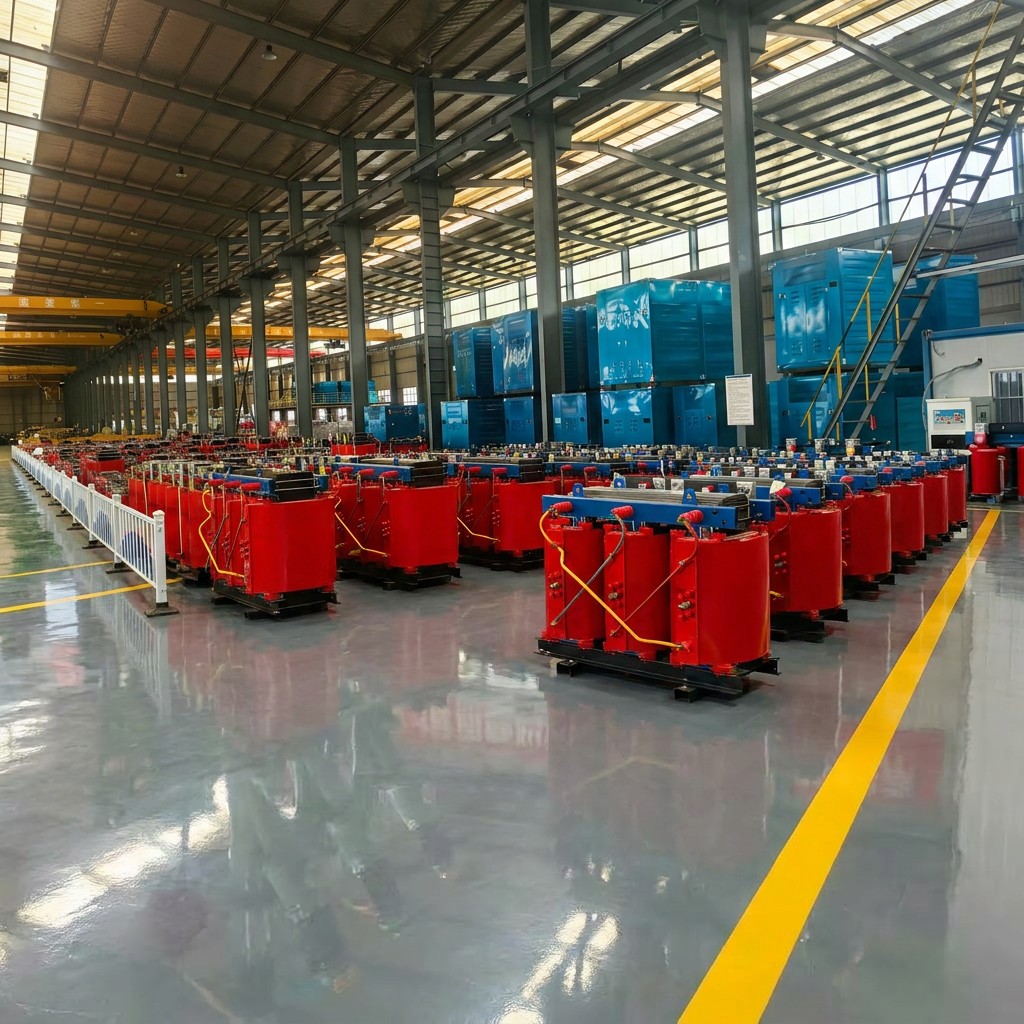
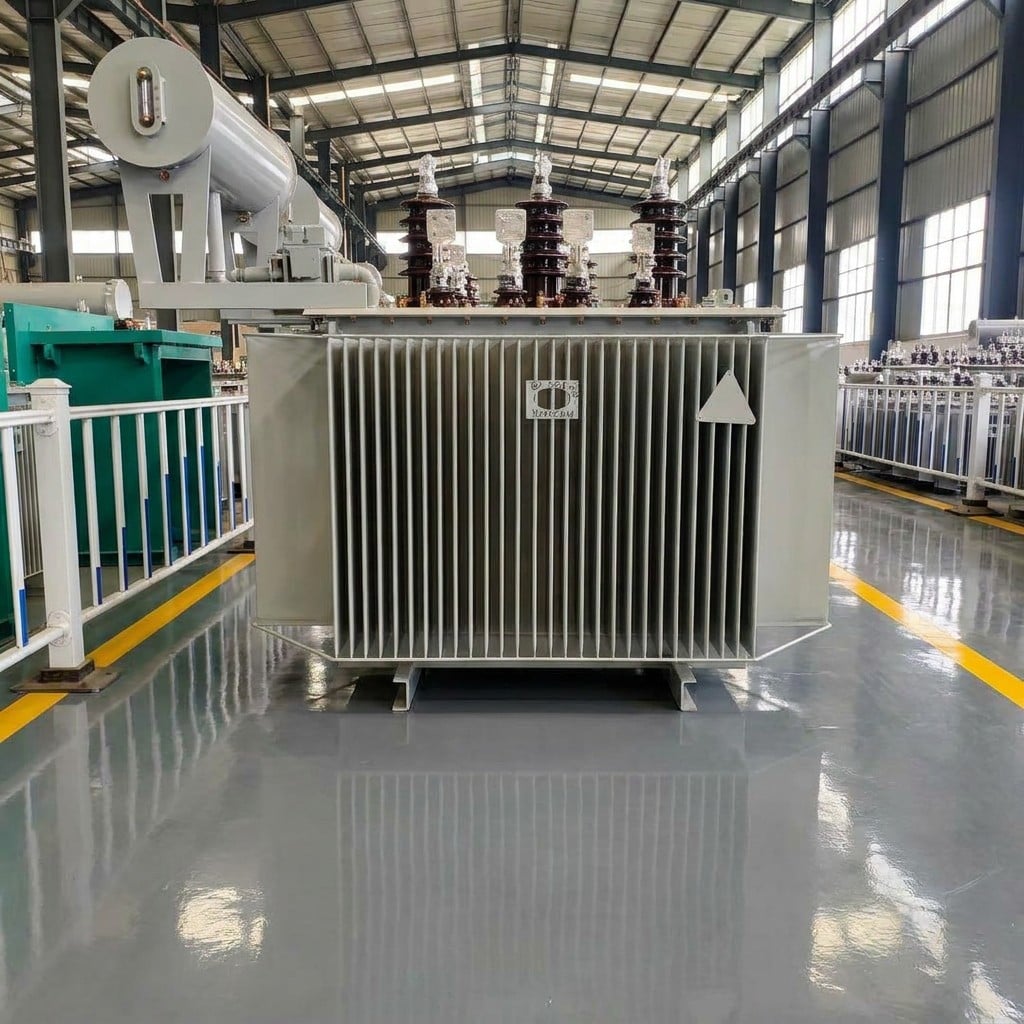
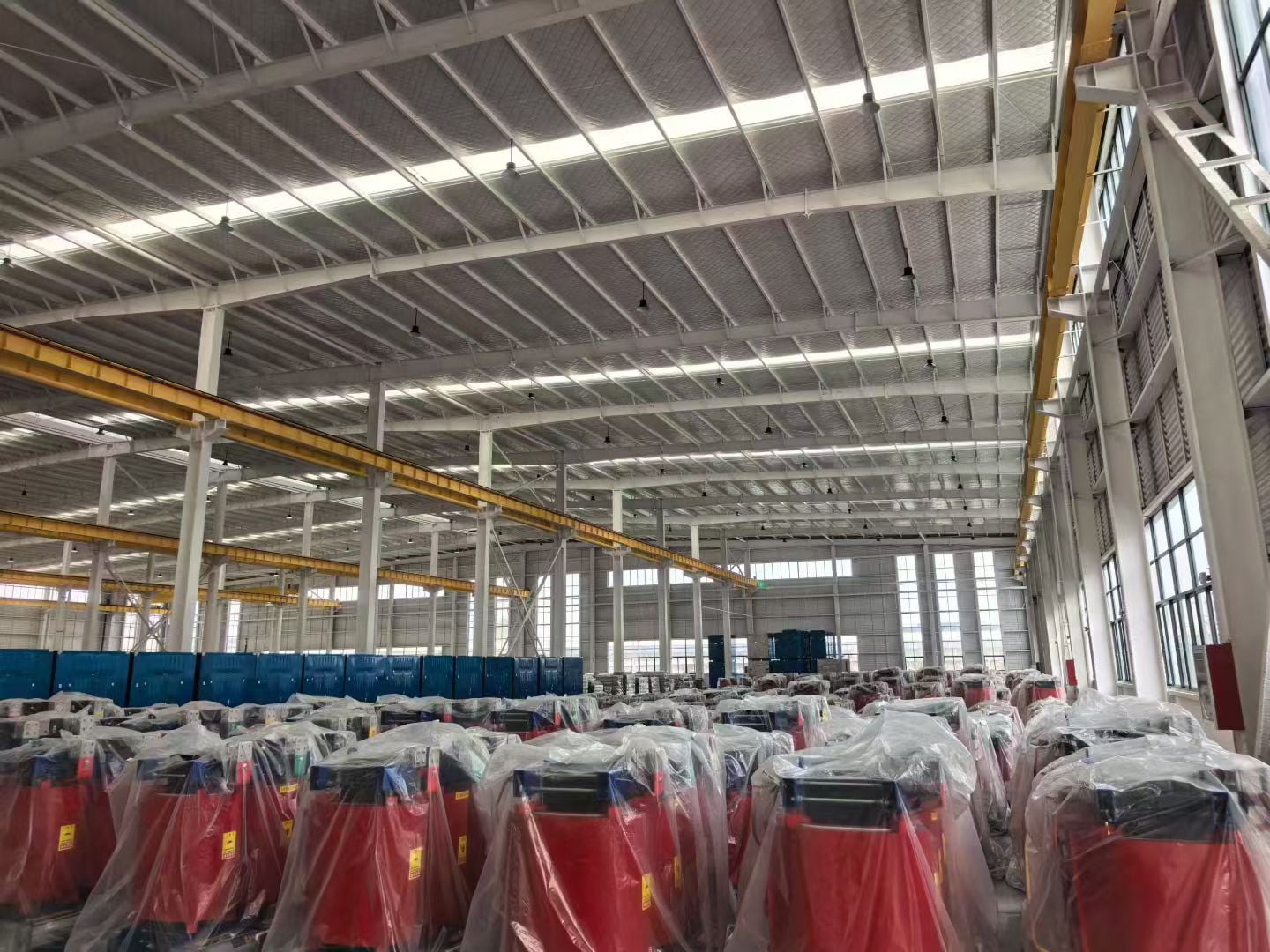
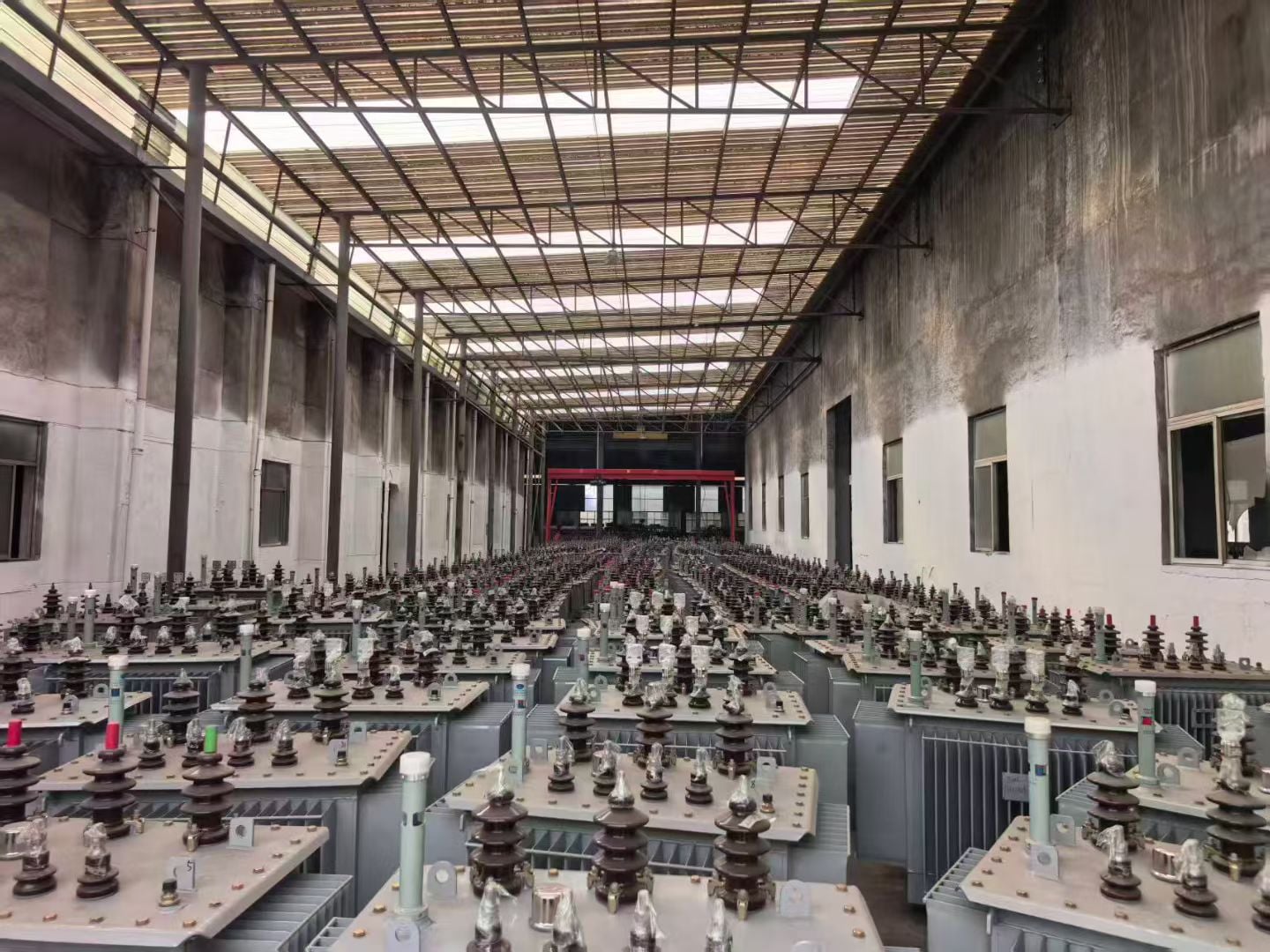
An oil immersed transformer represents a substantial investment in industrial infrastructure, and its reliability depends entirely on rigorous examination before it leaves the manufacturing facility. The tests conducted during factory production are not optional formalities—they form the foundation of equipment safety, operational efficiency, and regulatory compliance throughout the transformer's service life. Understanding which tests matter most helps procurement teams make informed decisions and ensures that equipment arriving at your site meets the highest performance standards.
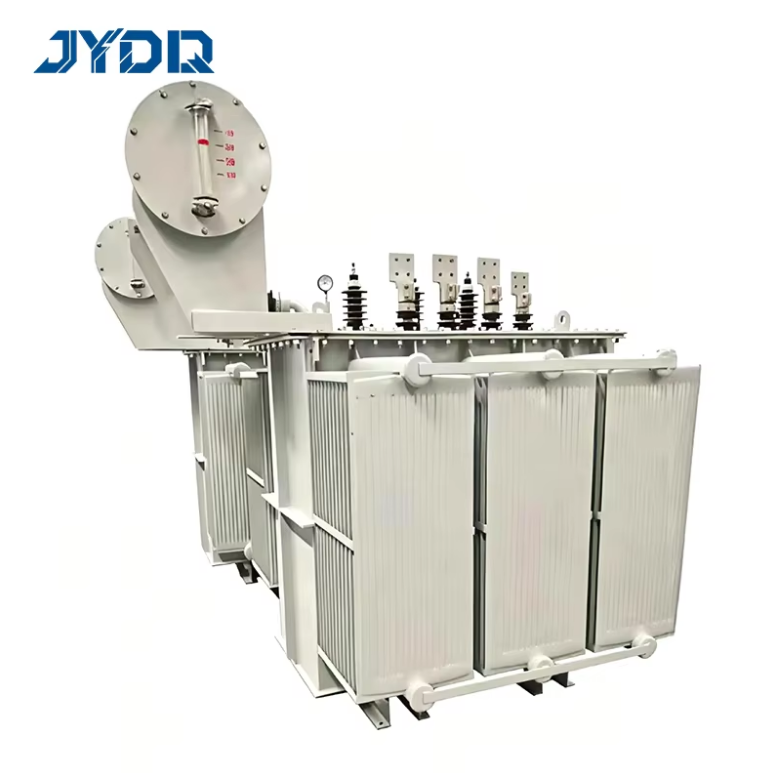
Transformer manufacturers follow standardized factory testing protocols that verify mechanical integrity, electrical performance, and thermal stability. These quality control measures protect end users from field failures, unplanned downtime, and safety hazards. Shipment should never occur until every critical test confirms the unit functions as designed and documented.
Electrical Performance Testing
Dielectric Strength and Insulation Testing
Dielectric strength testing validates that insulation barriers can withstand operating voltage without breakdown. Factory testing applies high voltage across windings and between winding and ground, measuring whether the insulation resists electrical stress. Oil breakdown voltage measurement is equally essential, as mineral oil serves as both a cooling and insulating medium in the oil immersed transformer. Contamination or moisture in the oil degrades its dielectric properties, making oil quality control a critical factory checkpoint. Breakdown voltage must meet or exceed minimum thresholds specified in industry standards.
Winding Resistance and Continuity
Measuring DC winding resistance confirms that copper conductors have no open circuits or high-resistance connections. Factory testing uses precision instruments to measure resistance at both primary and secondary windings, comparing results against design specifications. Continuity checks verify that all turns are properly connected and that tap connections function as intended. Resistance values that deviate from acceptable ranges signal manufacturing defects that must be corrected before shipment. This factory testing step is quick but reveals serious assembly problems early.
Thermal and Oil Quality Control
Oil Analysis and Conditioning
The oil in an oil immersed transformer must meet strict purity standards before the unit is cleared for shipment. Factory quality control includes moisture content testing using Karl Fischer titration, which measures water absorption that compromises insulation performance. Acid number testing quantifies corrosive compounds that accelerate aging. Dissolved gas analysis, conducted at intervals during factory testing and before shipment, identifies incipient faults or abnormal chemical reactions within the oil. Particle contamination is controlled through filtration, and oil cleanliness is verified using particle counting methods. These factory testing procedures ensure the oil maintains its protective properties throughout the transformer's operational lifetime.
Temperature Rise Testing
Temperature rise testing confirms that cooling systems function correctly under rated load conditions. Factory testing runs the transformer at full nameplate capacity while monitoring winding and oil temperatures at multiple points. The results verify that thermal gradients remain within limits specified by design and regulatory codes. Abnormal temperature rises indicate cooling system malfunction, poor oil circulation, or internal obstructions that must be corrected. This factory test validates heat dissipation before shipment and establishes baseline data for future condition monitoring.
Mechanical and Structural Verification
Mechanical Integrity and Pressure Testing
The tank and internal structures must withstand pressure surges and mechanical stresses encountered during operation. Factory testing includes hydrostatic pressure testing of the tank and gasket integrity verification. Pressure relief valve functionality is confirmed to ensure overpressure protection. Winding mechanical strength is verified through impulse testing, which simulates the electromagnetic forces during fault conditions. Core lamination integrity and the condition of bracing and support structures are inspected visually and through nondestructive methods. These factory quality control steps ensure the oil immersed transformer's structural soundness survives shipment and years of service.
Visual and Dimensional Inspection
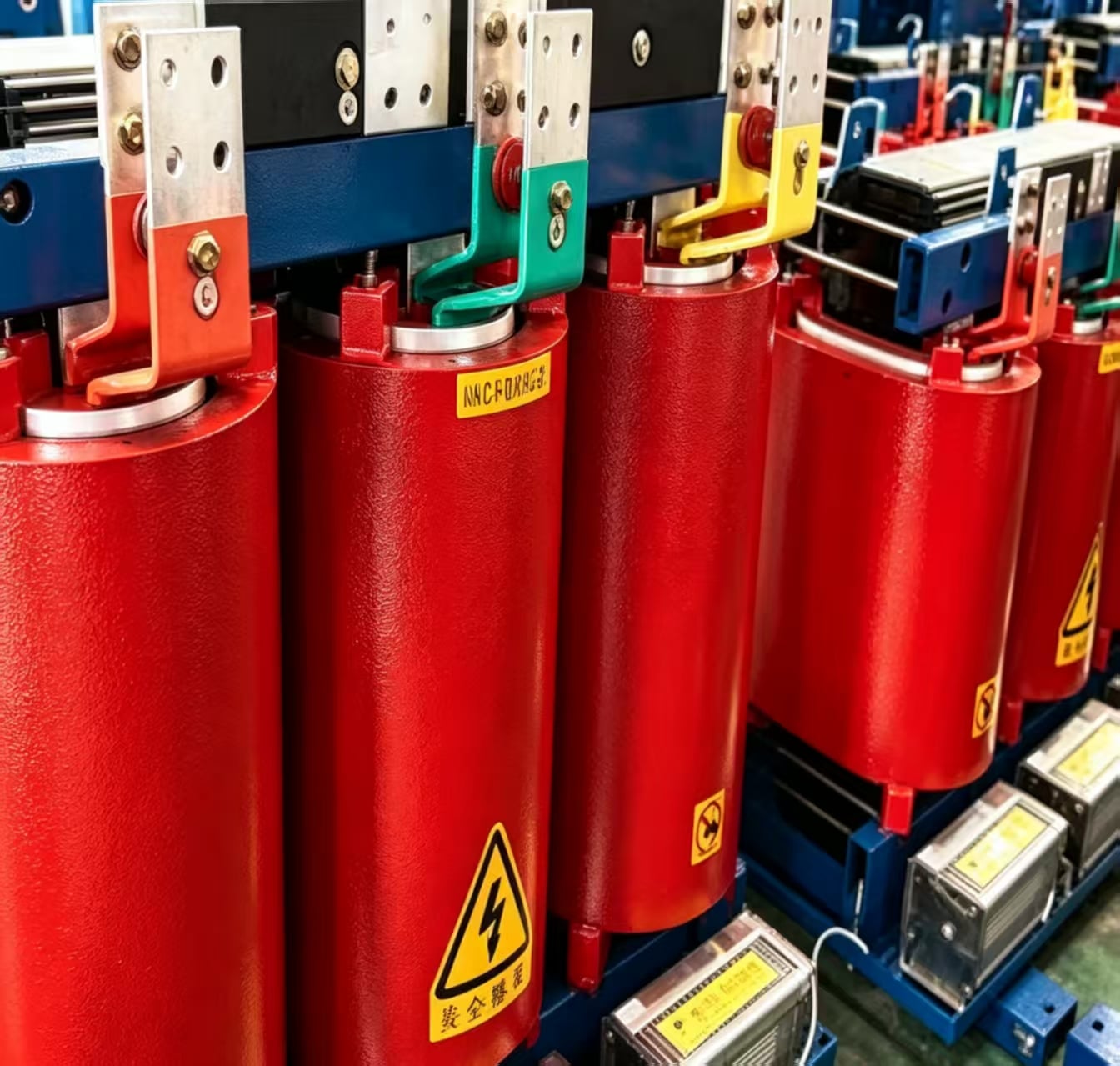
Every oil immersed transformer undergoes comprehensive visual inspection before shipment to identify manufacturing defects, corrosion, misalignment, or damage. Factory testing verifies that terminal connections are tight and properly marked. Paint and protective coatings are checked for completeness. Mounting feet, lifting lugs, and access points are inspected for proper fabrication and attachment. Dimensional checks confirm that the unit matches design drawings and fits intended installation spaces. Documentation of factory testing results provides traceability and establishes baseline conditions for the customer's acceptance testing on-site.
FAQ
What is the most critical factory test for an oil immersed transformer before shipment?
Dielectric strength and insulation resistance testing stands as the most critical factory test because it directly validates the transformer's ability to prevent electrical failure and hazardous faults. Oil breakdown voltage and winding insulation resistance reveal whether the unit can safely operate at rated voltage without insulation breakdown. Temperature rise testing ranks equally important because it confirms cooling system function, which determines long-term reliability. Both tests must be passed successfully before shipment can proceed.
How does factory quality control affect transformer reliability after shipment?
Rigorous factory testing and quality control establish a strong foundation for field performance and longevity. Defects caught during factory testing are corrected or rejected before the oil immersed transformer reaches the customer, eliminating premature failures caused by manufacturing errors. Baseline test data collected during factory testing creates a benchmark for future condition monitoring and diagnostics. Quality control procedures that verify oil purity, mechanical integrity, and electrical performance ensure the transformer enters service in optimal condition.
Are factory testing results required documentation for an oil immersed transformer shipment?
Yes, factory testing documentation is essential and typically required by purchasing specifications, industry standards, and regulatory frameworks. Test certificates provide evidence that the oil immersed transformer meets design specifications and applicable codes before shipment. Detailed factory testing reports, including dielectric breakdown voltages, resistance measurements, temperature rise data, and oil analysis results, allow the customer to verify performance independently. Maintaining complete factory testing documentation also supports warranty claims, compliance audits, and future troubleshooting if issues arise after the transformer is in service.

 EN