Factory test reports are essential documentation that verify the performance and safety of sulfur hexafluoride circuit breakers before deployment in electrical systems. These comprehensive reports provide objective evidence that each unit meets design specifications, safety standards, and operational requirements. Understanding how to properly review factory test reports ensures that you receive equipment that will perform reliably under demanding industrial conditions.
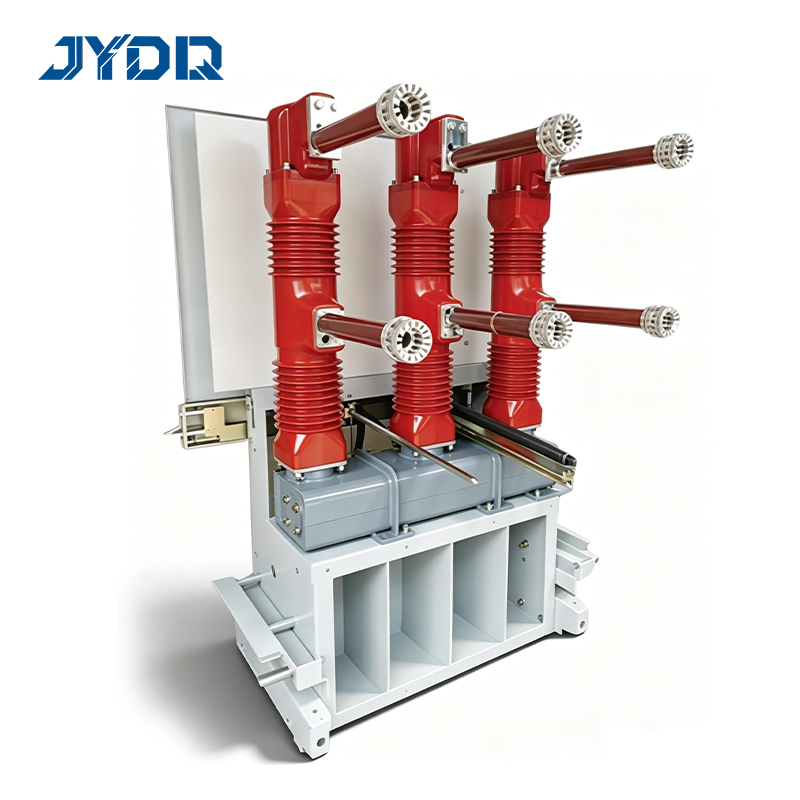
The review process for factory test reports involving quality control measures demands attention to detail and technical knowledge. Every test report should trace the complete electrical and mechanical validation that confirms your equipment is production-ready and compliant with international standards. This article walks you through the critical elements of reviewing factory test reports and the factory test procedures that support equipment integrity.
Understanding Factory Test Report Structure
Core Components of a Complete Test Report
A comprehensive factory test report for sulfur hexafluoride circuit breakers contains multiple sections that document both electrical performance and mechanical integrity. The report begins with equipment identification, including model number, serial number, manufacturing date, and rated voltage. This header information ensures traceability and links the test data to the specific unit you are receiving.
Quality control procedures require that test reports include detailed factory test methodologies, equipment calibration records, and environmental conditions during testing. The testing laboratory must document ambient temperature, humidity levels, and barometric pressure, as these factors influence electrical performance. Each test report should reference the applicable standards, such as IEC 62271-1 or IEEE C37.04, that governed the factory test procedures used.
Test Report Organization and Documentation Standards
Proper test report organization follows a logical sequence that mirrors the factory test workflow from initial acceptance through final validation. The quality control section typically appears early and confirms that incoming materials and components meet specification. Subsequent sections address dielectric strength, mechanical operation, gas pressure verification, and contact resistance measurements. This structured approach helps reviewers locate specific factory test data quickly and verify that no critical test was omitted.
Documentation standards require that every test result include the measured value, the acceptable range, pass/fail status, and the date of measurement. Test report entries should name the technician who performed each factory test and the equipment used for measurement. Calibration certificates for test instruments must be traceable and current, ensuring that measurement accuracy meets industry requirements.
Key Electrical Performance Tests to Verify
Dielectric and Breakdown Strength Validation
Dielectric strength testing is among the most critical factory test procedures for evaluating sulfur hexafluoride circuit breakers. This factory test applies high voltage across insulating components under controlled conditions to confirm that the insulation system can withstand normal operating stresses and temporary overvoltages. The test report must document the voltage level applied, duration of application, and the leakage current observed during the test.
Your quality control review should verify that dielectric tests were performed on all critical insulating surfaces, including the main interrupter chamber, porcelain insulators, and control circuit insulation. The test report must show that breakdown did not occur and that leakage current remained below specified limits throughout each test interval. Acceptance criteria for these factory test measurements should align with the equipment's rated voltage and the relevant international standards.
Power Frequency and Impulse Testing
Factory test reports must include results from both power frequency voltage tests and lightning impulse tests that simulate transient overvoltages. The power frequency test applies rated voltage for an extended period to confirm normal operating capability, while impulse testing subjects the equipment to steep-fronted voltage waves that replicate lightning strikes and switching transients. Both factory test procedures are essential components of quality control verification.
During your review of the test report, confirm that impulse test waveforms match the specified parameters and that the unit withstood the prescribed number of impulse applications without failure. The report should include oscilloscope traces or waveform data that document the applied voltage profile and any breakdown events. Acceptance requires that all impulse tests be passed with zero breakdowns or damage to insulation.
Mechanical Performance and Gas System Verification
Operating Mechanism and Contact Testing
Factory test reports for sulfur hexafluoride circuit breakers must document mechanical performance through closing and opening cycle tests that verify the operating mechanism functions smoothly and reliably. During factory test procedures, technicians perform a specified number of mechanical cycles and measure contact resistance after each cycle to detect wear or deterioration. The test report should show that contact resistance remains stable and within specification throughout the test sequence.
Quality control review requires checking that auxiliary switch operation, tripping mechanism reliability, and mechanical linkage alignment all pass acceptance criteria. The factory test report must record the time required for the opening and closing operations, as these timing measurements confirm that the mechanical system meets design speed requirements. Any deviation from specified timing should trigger investigation before the equipment is accepted.
SF6 Gas Pressure and Purity Assessment
The sulfur hexafluoride gas system is fundamental to circuit breaker operation, and factory test procedures must verify both gas pressure and purity before the unit leaves the factory. The test report should document the gas fill pressure at a reference temperature and show that pressure measurements were taken at multiple points within the equipment. Quality control standards require that gas purity be verified through chromatographic analysis to confirm the absence of contaminants that could degrade dielectric performance.
During your review of the factory test report, verify that gas pressure falls within the specified range and that purity analysis confirms moisture content, oxygen levels, and decomposition products are all below acceptable limits. The test report should reference the standard used for gas analysis, typically IEC 60480 or similar specifications. Documentation of the gas filling procedure and the sealing date confirms that proper handling procedures were followed throughout manufacturing.
FAQ
What are the most important sections of a factory test report to review first?
Begin your quality control review with the equipment identification section to ensure the test data corresponds to the unit you are evaluating. Next, examine the factory test procedures summary and the list of standards applied to confirm that appropriate testing was performed. Then prioritize dielectric strength results, gas purity analysis, and mechanical cycle test outcomes, as these sections typically reveal whether the sulfur hexafluoride circuit breakers meet all critical specifications. Finally, check that all test signatures, dates, and calibration certifications are complete and current.
How do I verify that factory test procedures followed industry standards correctly?
Review the test report for explicit references to applicable standards such as IEC 62271-1, IEEE C37.04, or regional requirements specific to your application. Confirm that the factory test parameters, voltage levels, and acceptance criteria documented in the report align with the standard requirements. Check that calibration certificates for test equipment are included and current, and verify that the factory test dates and technician signatures demonstrate traceability. If your organization has specific test protocols or supplementary requirements, confirm that the factory test report addresses all applicable quality control checkpoints.
What should I do if the factory test report contains incomplete or ambiguous data?
If the test report lacks critical factory test results or contains unclear measurements, contact the manufacturer immediately before accepting the equipment. Request clarification of ambiguous entries and ask for additional factory test procedures or documentation if gaps exist in the quality control record. Some manufacturers will provide supplementary testing or affidavits to confirm compliance when original test report data requires explanation. Document all communications regarding test report discrepancies and maintain records of any follow-up factory test results to ensure complete traceability for your equipment.

 EN